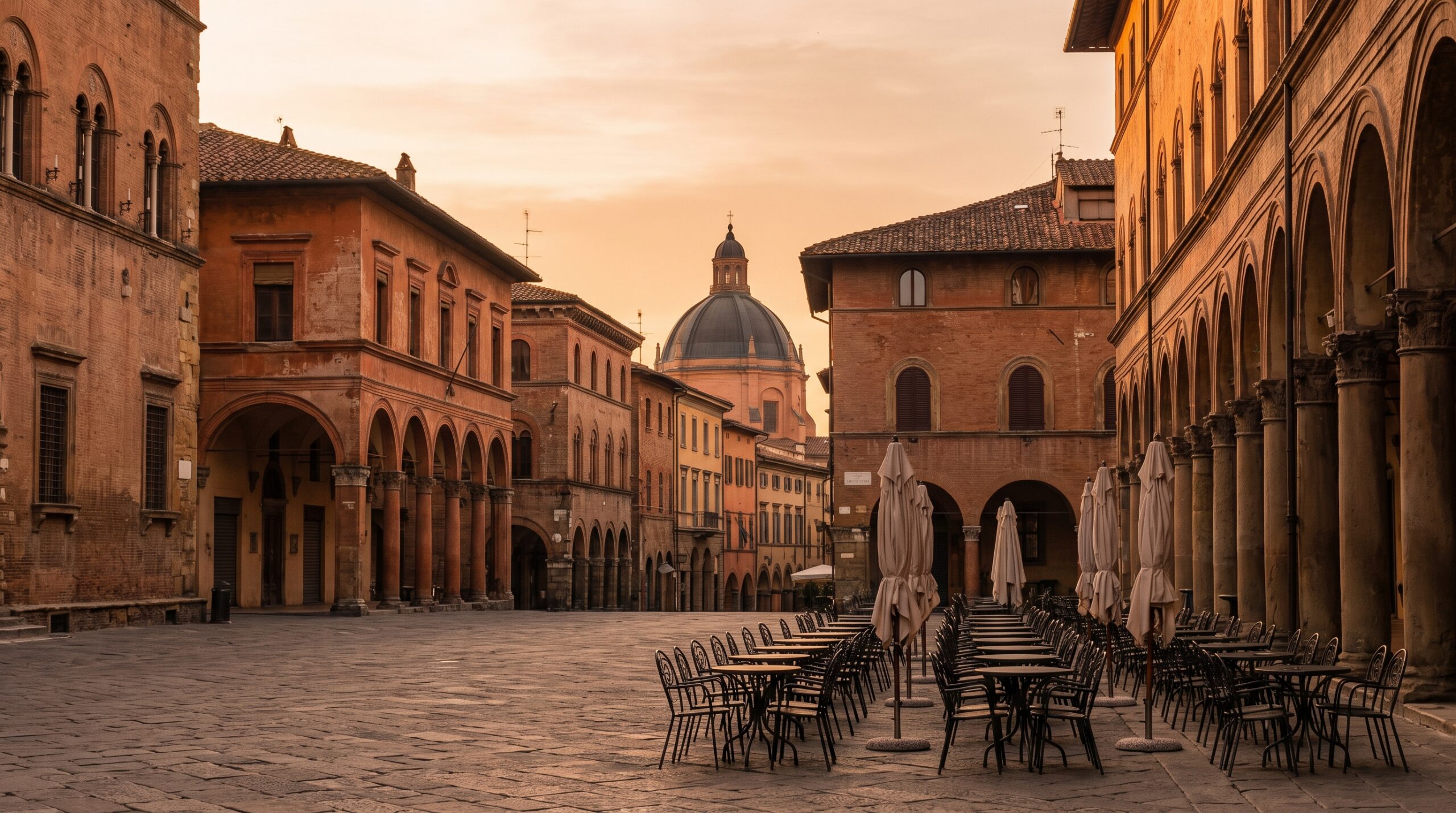
Most travelers who try to visit all three Italian cities in one trip end up with a worse experience than if they had picked one and committed. Rome wins for first-timers on a standard one-week trip, Florence wins for art-focused travelers with at least four days, and Venice wins for travelers who already know Italy and want a two-to-three-day add-on, not a standalone base.
Italy’s three most-visited cities are only a few hours apart by train, which creates an illusion that seeing all three in a single trip is the obvious move. The result is predictable: three partial visits instead of one complete one, too many check-ins and check-outs, and a schedule that leaves no room for the unplanned hour at a cafe or the second pass through a neighborhood that turned out to be better than expected. This guide evaluates each city as a base across the variables that actually determine whether a trip works: trip length, first-time fit, transit geometry, hotel quality, day trip range, crowd tolerance, and seasonality.
Rome
Rome is the most forgiving of the three for first-time visitors. The historical core is compact enough to walk, the public transit network is adequate if not elegant, and the density of significant sites means a traveler who does no advance planning still encounters something worth stopping for within fifteen minutes of leaving the hotel.
The downside is crowding, which in Rome runs deeper than in Florence or Venice because the city is larger and the visitor load concentrates on fewer sites. The Colosseum, the Vatican, and the Trevi Fountain absorb a volume of foot traffic that can make summer visits genuinely unpleasant, and the overtourism dynamic is not limited to Rome — the same pressures are reshaping how travelers should approach the Amalfi Coast in 2026. Rome also demands more physical stamina than either alternative: distances between major sites are longer, hills are more frequent, and the city rewards the walker in a way that punishes anyone trying to see it from a taxi or hop-on bus.
Hotel base quality in Rome is strong across price tiers, with more inventory than either Florence or Venice. The luxury segment is competitive, and mid-range options in neighborhoods like Monti, Trastevere, and Prati offer better value than equivalent stays in central Florence or anywhere on the Venetian islands. Day trips from Rome are the best of the three: Tivoli, Orvieto, and the Castelli Romani are all under an hour by train, and Naples and Pompeii are reachable as a long day. For another city-bases comparison with similar tradeoffs, see our guide to Lisbon vs. Porto as a Base.
The neighborhood choice matters more in Rome than in Florence or Venice because the city is larger and the character shifts significantly between districts. Trastevere offers the best evening atmosphere, with narrow streets, sidewalk restaurants, and a liveliness that persists past midnight. Monti, the neighborhood between the Colosseum and Termini, is the best walkability option for first-timers who want to step out of the hotel and find a bar or restaurant within a few minutes walk. Prati, on the other side of the river near the Vatican, delivers quieter streets and better hotel value but requires a bus or metro ride to reach the historical center. A first-time visitor on a five-night stay should base in Trastevere or Monti; a repeat visitor or a traveler prioritizing calm should choose Prati.
Rome is not the right choice for every traveler. Anyone who finds summer heat and persistent crowds genuinely unpleasant will be happier in a smaller Italian city with less visitor density. Travelers with mobility limitations should note that Rome’s sidewalks are uneven, the Centro Storico streets are cobbled, and many of the key sites require extensive walking with limited seating. For a trip of three nights or fewer, Rome’s scale works against it: the city requires at least four nights to do the core sights without rushing, and a shorter stay leaves too much unseen.
Florence
Florence rewards the traveler who cares about art and architecture above all else. The Uffizi and the Accademia anchor a collection of museums and churches that collectively represent the densest concentration of Renaissance work in the world. If that is the trip’s priority, Florence is the correct choice, and the city’s compact scale means four days are enough to cover the core without rushing.
But Florence is less versatile than Rome. The food scene, while excellent, is narrower; the nightlife is quieter; the city center empties noticeably after dark. And the day trip argument, often cited as a reason to choose Florence, cuts both ways. Yes, Siena, San Gimignano, and the Chianti towns are close. But if a traveler finds themselves leaving Florence three days out of five to see Tuscany, the base should have been somewhere in the Tuscan countryside, not a city hotel that costs more and delivers less of what the trip actually became.
Florence’s hotel market is tighter and more expensive per square meter than Rome’s. The center is small, inventory is limited, and the premium for a room with a view of the Duomo or the Arno can double the nightly rate over a comparable property two blocks inland. Travelers who choose Florence should budget for the location premium or accept a longer walk.
The neighborhood distinction in Florence is simpler than in Rome: stay on whichever side of the river matches your priority. The north bank (Centro Storico) puts the Duomo, the Uffizi, and most museums within walking distance, and it is the right choice for a short trip where proximity to the sights matters most. The south bank (Oltrarno) is quieter, more residential, and home to better restaurants and artisan workshops. For a trip of five nights or longer, Oltrarno offers a more relaxed base with equal access to the main sights via the Ponte Vecchio or Ponte Santa Trinita. For a three-night trip, Centro Storico is the practical choice.
Florence disappoints travelers who expect a vibrant evening scene or culinary variety beyond Tuscan cuisine. The city mostly shuts down by 10 p.m., and the restaurant options, while excellent within their range, are dominated by the same flavor profiles: bistecca, pappardelle, truffle, and Chianti. A traveler who wants late-night bars, international food options, or a different dinner every night without ordering the same ingredient twice should choose Rome instead. For trips of three nights or fewer, Florence is the best choice among the three: the compact scale lets a short-stay visitor experience the city fully without the travel overhead that would consume a comparable stay in a larger city.
Venice
Venice is the most specific of the three. It is unmatched as an experience: no other city on earth produces the same physical sensation of walking through streets that are also waterways, and the absence of cars produces a quiet that Rome and Florence cannot offer. But Venice is also the most logistically demanding of the three. Everything costs more to move: luggage from the train station to a hotel requires a water bus or water taxi, dining in a canal-side restaurant adds a location surcharge, and even a coffee in Piazza San Marco costs several times what it would in Rome. Travelers weighing base-city tradeoffs across different regions may also find our Kyoto vs. Tokyo: Choosing a Japan Base comparison useful for the same analytical framework applied to a different market.
Venice works best as a two-to-three-day component of a longer Italian itinerary, not as a standalone week-long base. The city’s day trip options are limited: the islands of Murano and Burano, Padua, and Verona at a stretch. None match the range available from Rome or even Florence. And Venice’s hotel market is the most difficult of the three. Inventory on the main islands is constrained, pricing is aggressive, and the quality gap between a good hotel and a mediocre one in the same price band is wider here than in Rome or Florence.
Seasonality hits Venice harder than the other two. Acqua alta (high water) in autumn and winter can make parts of the city temporarily impassable, and summer crowding on the Rialto Bridge and in St. Mark’s Square reaches a density that can make walking feel like queueing. The shoulder months of April, May, and October are Venice’s sweet spot, but they are also when hotel rates peak.
Venice’s neighborhood economics are the most extreme of the three cities. San Marco is the most convenient and the most expensive, with hotel rates that can double the equivalent in Cannaregio or Castello for the same room category. Cannaregio, the Jewish Ghetto area, offers the best value on the main islands and a more local atmosphere with good restaurants away from the tourist flow. Dorsoduro, home to the Accademia and Peggy Guggenheim collection, balances convenience with character and is the best choice for art-focused visitors. A first-time Venice visitor should avoid San Marco and base in Dorsoduro or Cannaregio; the walking distance to St. Mark’s Square is manageable from either neighborhood.
Venice is the wrong choice for several clear traveler profiles. Anyone with mobility issues will struggle with the bridges: every canal crossing requires a stair climb, and the alternative routes (water bus or water taxi) add time and cost that are easy to underestimate. Budget travelers will find the city expensive even by the standards of the other two. First-time Italy travelers who want a balanced introduction should see Venice as a two-night component of a broader trip rather than a standalone base. For a trip of five nights or longer within a single city, Venice is the weakest option of the three because the limited day trip range and concentrated sights make the later days feel repetitive.
Choosing by Trip Length
Trip length is the cleanest filter for choosing among the three cities, and it cuts differently from the general city assessments above.
Three nights or fewer. Florence is the best choice. The city is compact enough that even a two-night visit covers the core museums, the Duomo, and a walk across the river without feeling rushed. Rome at three nights forces hard choices between the Vatican, the Colosseum area, and the neighborhoods. Venice at three nights works but leaves little slack for weather or unexpected closures.
Four to five nights. Rome becomes the best option at this length. Five nights give a first-time visitor time for the Vatican (one full day), the Colosseum and Forum (half day), and the Borghese Gallery (half day), with enough slack for Trastevere dinners and a day trip to Tivoli. Florence at four nights is comfortable but starts to feel complete; Venice at four or five nights begins to feel repetitive unless the traveler deliberately explores the outer islands or the lagoon.
Six to seven nights. Rome is the only city of the three that supports a full week without stretching. The day trip network to Tivoli, Pompeii, and Orvieto provides the variety that Florence and Venice cannot match at this length. A week in Florence requires at least two day trips to fill the itinerary, and at that point the base should be reconsidered. A week in Venice is too long unless the traveler is attending a specific event such as the Biennale or the Film Festival.
Verdict
Rome is the safest recommendation for a first-time Italy visitor with a week or less. It offers the widest range of experiences, the best hotel value, the strongest day trip network, and the lowest logistical friction. Choose Rome if you want variety, if you plan to take day trips, if you care about food quality across a range of cuisines, or if this is your first trip to Italy and you want a balanced introduction.
Florence wins when the trip’s priority is art and Renaissance history and the traveler has at least four days. It is the right choice for someone who knows they want to spend mornings in museums and afternoons walking through streets that look like a painting. Choose Florence if the Uffizi and the Accademia are the reason you are coming to Italy, if you want a compact walkable city where logistics are nearly invisible, or if you have only three nights and want to use them efficiently. But Florence is a worse base than Rome for a general-interest traveler, and anyone who expects to spend more than half the trip outside the city should consider a Tuscan countryside base instead.
Venice is the choice for travelers who have already seen Rome and Florence and want a short immersive stay of two to three nights. It is the least practical standalone base of the three, but the most memorable experience when treated as a component of a larger itinerary. Choose Venice as a two-night add-on to a Rome trip, as a starting or ending point for a northern Italy itinerary that includes the Dolomites or Lake Como, or if the trip priority is a singular aesthetic experience rather than variety or value.
FAQ
Q: Can I see all three in a 10-day trip?
A: Yes, but you will spend roughly 20% of your waking hours in transit, checking in and out, or navigating stations. A better 10-day split is Rome (5 nights) plus Florence (3 nights) with a day trip to Siena, or Rome (5 nights) plus Venice (2 nights) with the final night in Milan for the flight out. Trying for all three produces a trip that feels busier and thinner than the same 10 days spent in two cities.
Q: Which city is best in August?
A: None of them. August in Italy is hot, crowded, and in Florence and Rome, humid enough to make walking between sites an endurance event. If an August trip to Italy is unavoidable, Venice at least offers the cooling effect of the water, and the crowds thin slightly in the evenings when day-trippers leave. But the honest answer is: choose a different month or a different country.
Q: Which city has the best food?
A: Rome for variety and everyday quality; Florence for the steak; Venice for seafood. Rome’s trattoria culture is deeper and more accessible than either alternative, and the price-to-quality ratio in Roman neighborhood restaurants is the best in Italy. Florence’s bistecca alla Fiorentina is exceptional but narrow. Venetian seafood is excellent but expensive, and the tourist-trap density in Venice is higher than in Rome or Florence, meaning the traveler needs to work harder to find a good meal.
Q: Is Venice sinking, and should I see it before it disappears?
A: Venice is subsiding at a rate of approximately 1 to 2 millimeters per year, and sea levels are rising. The city faces genuine long-term existential challenges, but they operate on a multi-decade to multi-century timeline. There is no reason to prioritize Venice over Rome or Florence on urgency grounds. Visit when the trip itinerary makes sense, not out of fear that the city will be gone next year.