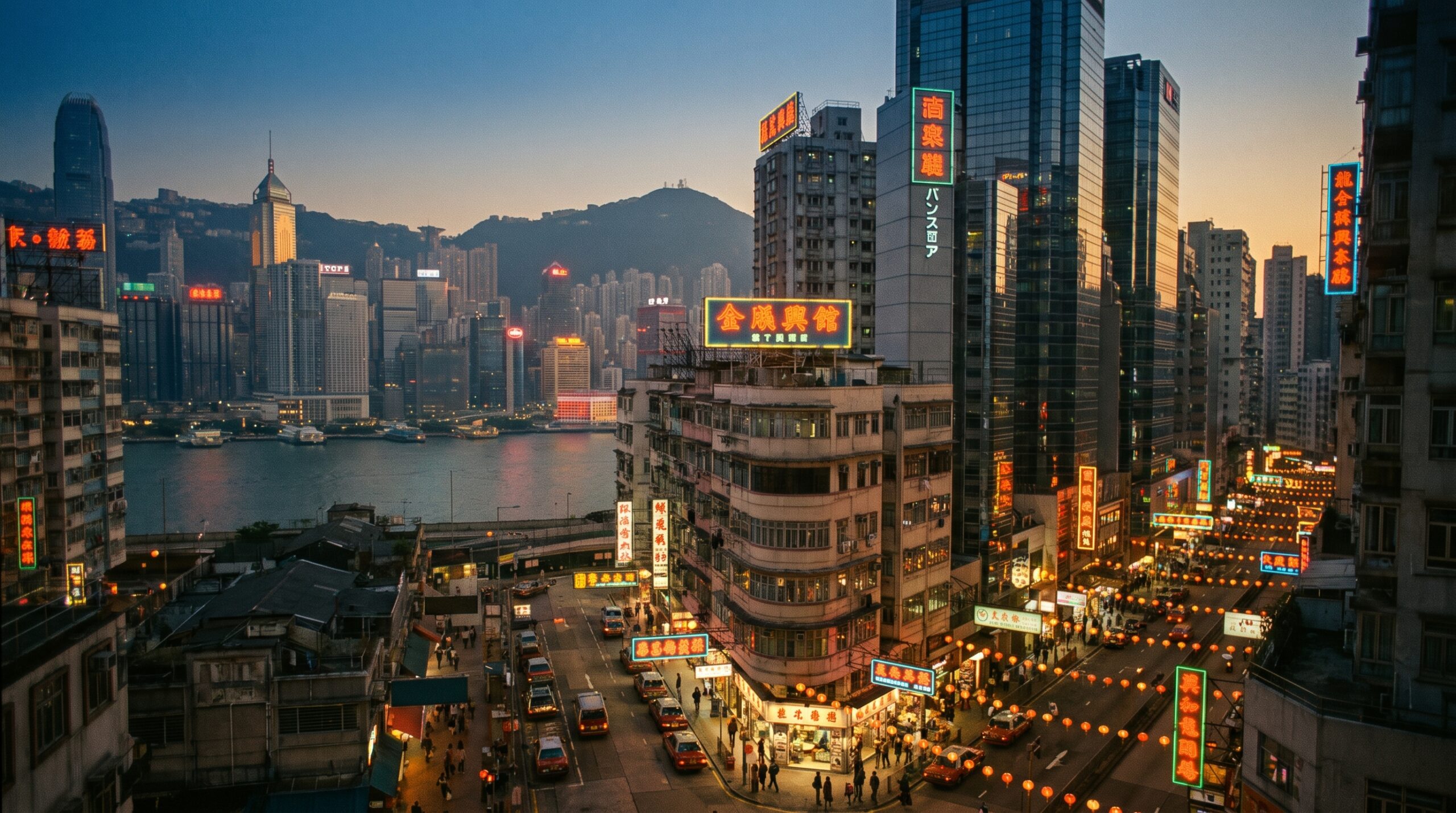
Pick Tokyo for the deepest city experience on earth — food, neighborhoods, transport, endlessly explorable scale. Pick Seoul for budget, nightlife, K-culture, and a punchier, more social trip. Pick Taipei for the warmest welcome, the best street-food value, the gentlest introduction to East Asia, and a city you can feel at home in within 48 hours.
The Tokyo-Seoul-Taipei decision is not about which city is “best.” It is about which city fits your travel style, budget tolerance, and appetite for urban intensity. All three are safe, clean, transit-rich, and food-obsessed. But they deliver fundamentally different trips.
Cost: The Spread Is Larger Than You Think
A five-day trip for one person, mid-range, excluding international flights:
- Taipei: $750-1,300 total. Central hotel rooms $50-100/night. Night-market dinner under $8. The cheapest of the three by a significant margin — roughly 40-50% less than Tokyo.
- Seoul: $800-1,300 total. Accommodation and alcohol are the biggest savings compared to Tokyo. A full Korean BBQ dinner with drinks runs $20-30 per person.
- Tokyo: $1,450-2,300 total. Central hotel rooms $125-200/night. Food spans from $6 ramen to $300 omakase, but the mid-range floor is higher than Seoul or Taipei.
Food: Each City Wins a Different Category
Tokyo wins on depth and range. It has more Michelin-starred restaurants than any city in the world — over 200 — but the street-level food culture is equally strong. A $6 bowl of ramen from a vending-machine ticket shop can be a life-changing meal. Conveyor-belt sushi, department-store food halls, and neighborhood izakayas mean you eat well at every price point. The ceiling is essentially infinite.
Seoul wins on social, communal dining. Korean BBQ — grilling meat at your table, wrapping it in lettuce with ssamjang — is not just a meal. It is the evening’s activity. Korean fried chicken and beer (chimaek) is a national ritual. Banchan — the parade of small side dishes that arrive with every meal — makes even a solo lunch feel abundant. The drinking culture is more central to the food experience than in Tokyo or Taipei: soju and makgeolli are not optional accompaniments, they are part of the meal architecture.
Taipei wins on night-market culture. Shilin, Raohe, and Ningxia night markets are not tourist attractions with food. They are food ecosystems where dinner for under $8 is normal and the quality is startling. Beef noodle soup, gua bao (braised pork belly buns), oyster omelettes, stinky tofu, and bubble tea — which was born in Taiwan — define the experience. Taipei also has the strongest breakfast culture of the three: soy milk shops (dou jiang) serving fresh youtiao, shaobing, and warm soy milk from dawn.
Culture and Vibe: The Trip Feels Different in Each City
Tokyo is massive, layered, and endlessly explorable — 23 wards, each with a distinct identity, from the neon chaos of Shinjuku to the vintage shopping of Shimokitazawa to the temple serenity of Yanaka. It rewards repeat visits and punishes checklist tourism. The language barrier is real but manageable with translation apps and the city’s excellent English signage at major stations.
Seoul is dynamic, trend-driven, and moves fast — K-pop, K-drama, skincare, fashion, and a tech infrastructure (the world’s fastest average internet speeds) that makes everything work instantly. The historic core — Bukchon Hanok Village, Gyeongbokgung Palace, Insadong — provides the cultural counterweight. Seoul has the strongest cafe culture of the three: themed cafes, multi-story dessert houses, and coffee shops that stay open until 2 a.m.
Taipei is warm, laid-back, and easy to navigate. The MRT is excellent, YouBike bike-share covers the city, and the scale is manageable — you can cross the central wards in 30 minutes. The mountains are visible from the city center, and Yangmingshan National Park is a 30-minute bus ride. Taipei is the gentlest introduction to East Asia: less intensity than Tokyo, less drinking pressure than Seoul, and the warmest locals of the three.
Checklist: Tokyo vs. Seoul vs. Taipei Decision
- Budget: tightest — Taipei. moderate — Seoul. flexible — Tokyo.
- Food priority: depth and range — Tokyo. social dining and BBQ — Seoul. night markets and street food — Taipei.
- Nightlife: Tokyo — Golden Gai, Shinjuku, diverse scenes. Seoul — Hongdae, Itaewon, later nights, cheaper drinks. Taipei — smaller scene, more about night markets after dark.
- First-time Asia traveler: Taipei is the easiest introduction. Tokyo is the most rewarding if you can handle intensity.
- K-culture fan: Seoul wins by default — the cultural exports are the destination.
- Solo female traveler: All three are among the safest cities in the world. Taipei’s warmth edges it for comfort. Tokyo’s solo-dining normalization makes it logistically easiest.
- Transit and walkability: Tokyo has the world’s best public transit and is the most walkable large city on earth. Seoul’s metro is nearly as good. Taipei’s MRT is smaller but excellent and supplemented by YouBike.
What This Can’t Tell You
This framework covers first-time base-city selection, not regional exploration. Seoul is the best launchpad for day trips (DMZ, Suwon, Bukhansan National Park). Tokyo has the deepest regional access via Shinkansen (Kyoto, Osaka, Kanazawa are day-trip or overnight distance). Taipei’s day-trip radius — Jiufen, Beitou hot springs, Maokong tea plantations — is the most compact and easiest to navigate without Japanese or Korean language skills.
Verdict
Pick Tokyo if you want to experience the most layered, endlessly rewarding city in Asia and budget is flexible. Pick Seoul if you want value, nightlife, and a city that runs on K-culture energy. Pick Taipei if you want the gentlest, warmest, best-value introduction to East Asia — a city you can feel at home in within 48 hours and eat spectacularly well for under $10 per meal. None is the wrong choice. One is the right choice for your specific trip.
FAQ
Q: Do I need to speak Japanese, Korean, or Mandarin?
A: No. English signage is good to excellent in all three city centers. Translation apps fill gaps. Taipei has the highest general English proficiency of the three. Tokyo has the best transit English signage.
Q: Is Taiwan safe for tourists?
A: Yes. Taiwan has very low crime rates. Violent crime against tourists is virtually nonexistent. The main natural risks are typhoons (June-October) and earthquakes, both of which are well-managed by infrastructure.
Q: Can I combine two cities in one trip?
A: Yes. Tokyo-Seoul is a 2.5-hour flight. Tokyo-Taipei is 3.5 hours. Seoul-Taipei is 2.5 hours. A 10-day trip split between two cities works. Trying to do all three in under two weeks means you see airports, not cities.