Park Hyatt plays the city. Aman plays the escape. Each strips away the noise most premium brands rely on — and the right choice depends less on budget than on what you actually want a hotel to do.
The two brands overlap in the narrowest of ways: each attracts travelers who find most premium hotels too loud, who dislike logos on bathrobes, and who will pay for the architecture, materials, and service ratios competitors cannot replicate. That is where the resemblance ends.
Park Hyatt is a city-first brand embedded in World of Hyatt, with nights that run $500 to $1,500. Aman is a destination-first independent with no loyalty program, averaging $3,500 a night and exceeding $5,000 at its flagships. The question is not which is better. It is which philosophy matches the trip you are planning.
What Each Brand Actually Is
Park Hyatt operates 48 hotels worldwide, nearly all in major cities or established resort destinations. The brand positions itself as Hyatt’s ultra-premium tier, above Grand Hyatt and Hyatt Regency, and the properties reflect that: smaller room counts, higher staff-to-guest ratios, and design partnerships with architects like John Pawson and Yabu Pushelberg. Park Hyatt Tokyo, which reopened in 2025 after a 19-month renovation, has 171 rooms — large for the brand but small for a Tokyo luxury hotel.
Because Park Hyatt sits within World of Hyatt, it participates fully in the loyalty program. Globalist members receive arrival-based suite upgrades subject to availability, and Suite Upgrade Awards are confirmed at the time of booking for stays of up to seven nights. Points redemptions typically range from 25,000 to 40,000 points per night depending on the property and season.
Aman operates 36 properties in 20 countries. The brand was founded in 1988 with Amanpuri in Phuket and has maintained a philosophy of architectural integration with the surrounding landscape. Properties tend to be remote or semi-remote — Amangiri in the Utah desert, Aman Venice in a converted palazzo, Amanemu on Japan’s Ise-Shima coast. Room counts are deliberately small, often under 40 rooms or pavilions.
Aman has no loyalty program. There are no points, no elite tiers, no formal upgrade path, and no transfer partners. Repeat guests may receive recognition at individual properties, but the brand offers no systematic mechanism for earning or redeeming value across stays. The portfolio-wide average daily rate stands at approximately $3,500, according to Luxury Travel Intelligence data from 2025, with flagship properties like Aman Tokyo and Amanpuri regularly commanding rates above $5,000 per night while maintaining roughly 85 percent average occupancy.
The Comparison
| Factor | Park Hyatt | Aman |
|---|---|---|
| Properties worldwide | 48 | 36 |
| Typical nightly rate | $500–$1,500 | $1,500–$5,000+ |
| Portfolio average daily rate | ~$1,000 | ~$3,500 |
| Loyalty program | World of Hyatt (Globalist, SUAs, points) | None |
| Points redemption | 25,000–40,000/night | Not available |
| Typical location | Major cities, established resorts | Remote destinations, converted landmarks |
| Average room count | 150–250 | 20–40 |
| Suite upgrade path | Globalist arrival upgrades + SUAs | None (repeat-guest recognition only) |
| Service philosophy | Discreet urban professionalism | Immersive destination stewardship |
| Dining approach | Destination restaurants (often chef-driven) | Integrated resort dining, local sourcing |
Where Park Hyatt Wins
City trips. Park Hyatt’s footprint is built for urban travel. Park Hyatt New York sits on West 57th Street. Park Hyatt Paris Vendome occupies the Place Vendome. Park Hyatt Tokyo is in Shinjuku. These are locations where Aman either does not compete or competes at a fundamentally different price tier — Aman Tokyo averages above $2,000 per night for its entry room.
Loyalty leverage. A Globalist member booking Park Hyatt on points at 30,000 per night is getting roughly $1,000 in value — a redemption rate that is difficult to replicate anywhere in hotel loyalty. Add a Suite Upgrade Award and the effective value per point can exceed two cents, which is among the strongest in any hotel program. Aman offers no equivalent.
Frequency. A traveler who stays 30 or more nights per year in premium hotels can earn Globalist status through Park Hyatt stays and then deploy those benefits across the entire Hyatt portfolio. Aman rewards frequency with nothing systematic.
Where Aman Wins
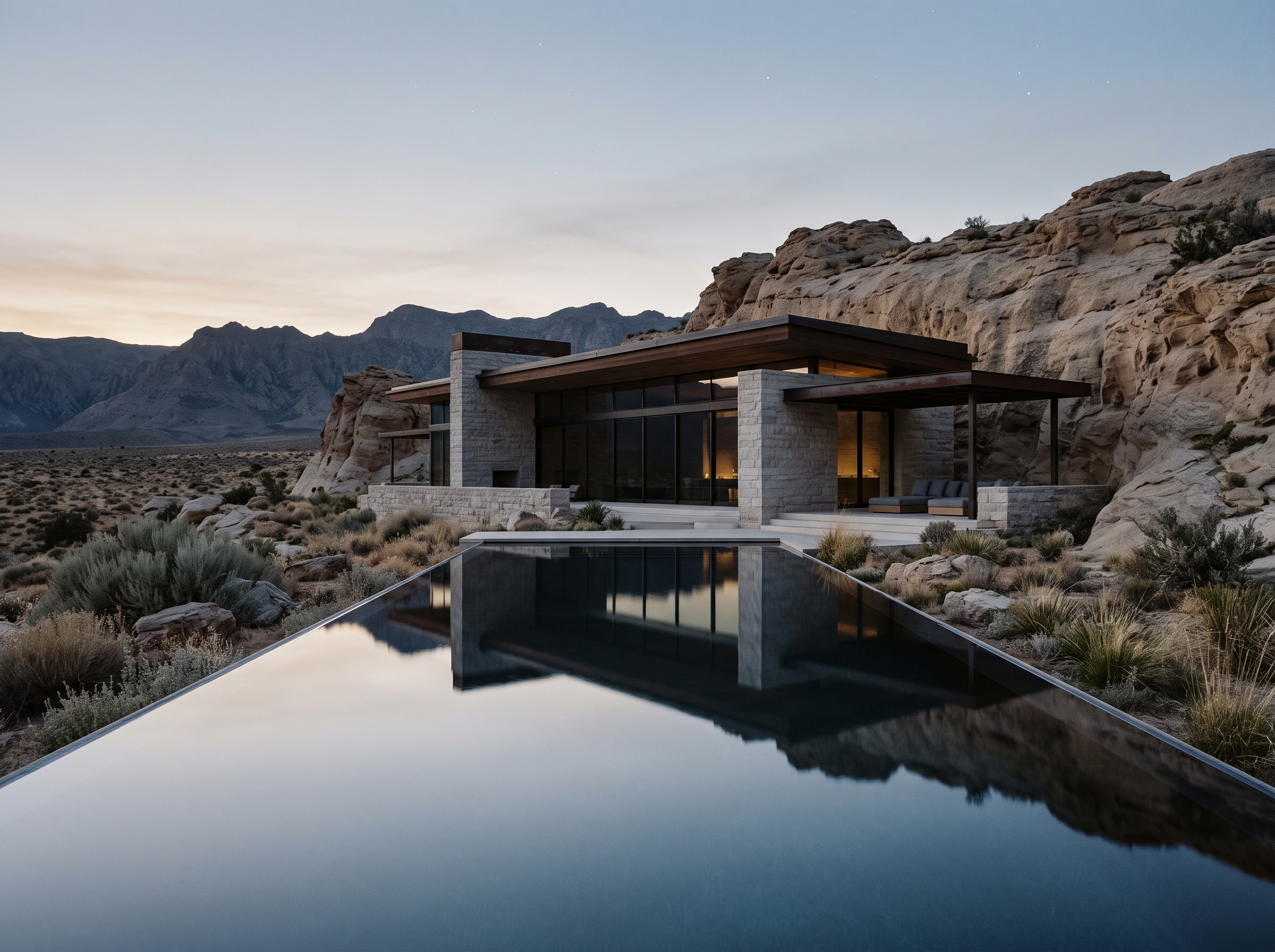
Destination immersion. Aman properties are designed to disappear into their settings. Amangiri’s concrete pavilions are cut into sandstone. Amanjiwo overlooks Borobudur from a Javanese hilltop. The architecture serves the landscape rather than announcing the brand. Park Hyatt properties are well-designed urban hotels, but they are not built to transform a trip’s relationship with a place.
Privacy and exclusivity. With an average of 20 to 40 rooms per property and rates that filter the guest pool, Aman delivers a level of seclusion that a 200-room city hotel cannot. For honeymoons, milestone celebrations, or trips where being unreachable is the point, the smaller scale matters.
The experience as the product. Aman’s pricing is not merely a markup — it reflects a fundamentally different operating model. Higher staff ratios, purpose-built wellness facilities, private excursion programs, and fully integrated dining are standard. Park Hyatt charges less because it operates at a larger scale with loyalty-subsidized economics. Neither model is wrong, but they serve different purposes.
The Decision Framework
Choose Park Hyatt when:
- The trip is primarily urban — business travel, city exploration, or a short cultural stay
- You hold or are pursuing World of Hyatt Globalist status and want to deploy suite upgrades and points
- You travel frequently and want every stay to compound into future value
- Budget is $500 to $1,500 per night and you want the best product in that range
- You value consistency across properties and a known service standard
Choose Aman when:
- The trip is a destination experience — a retreat, a celebration, or a deliberate disconnection
- You do not use hotel loyalty programs or do not value points-based economics
- Privacy, architectural integration, and small scale are the priority
- Budget exceeds $2,000 per night and you want the stay itself to be the reason for the trip
- You are booking one or two major trips per year rather than accumulating nights
Neither is the right choice when you need a reliable mid-tier luxury hotel in a secondary city. Park Hyatt does not operate in most mid-size markets, and Aman does not operate at price points below $500 in any market. For those trips, Marriott’s luxury tiers or Hilton’s Waldorf and Conrad brands offer broader coverage.