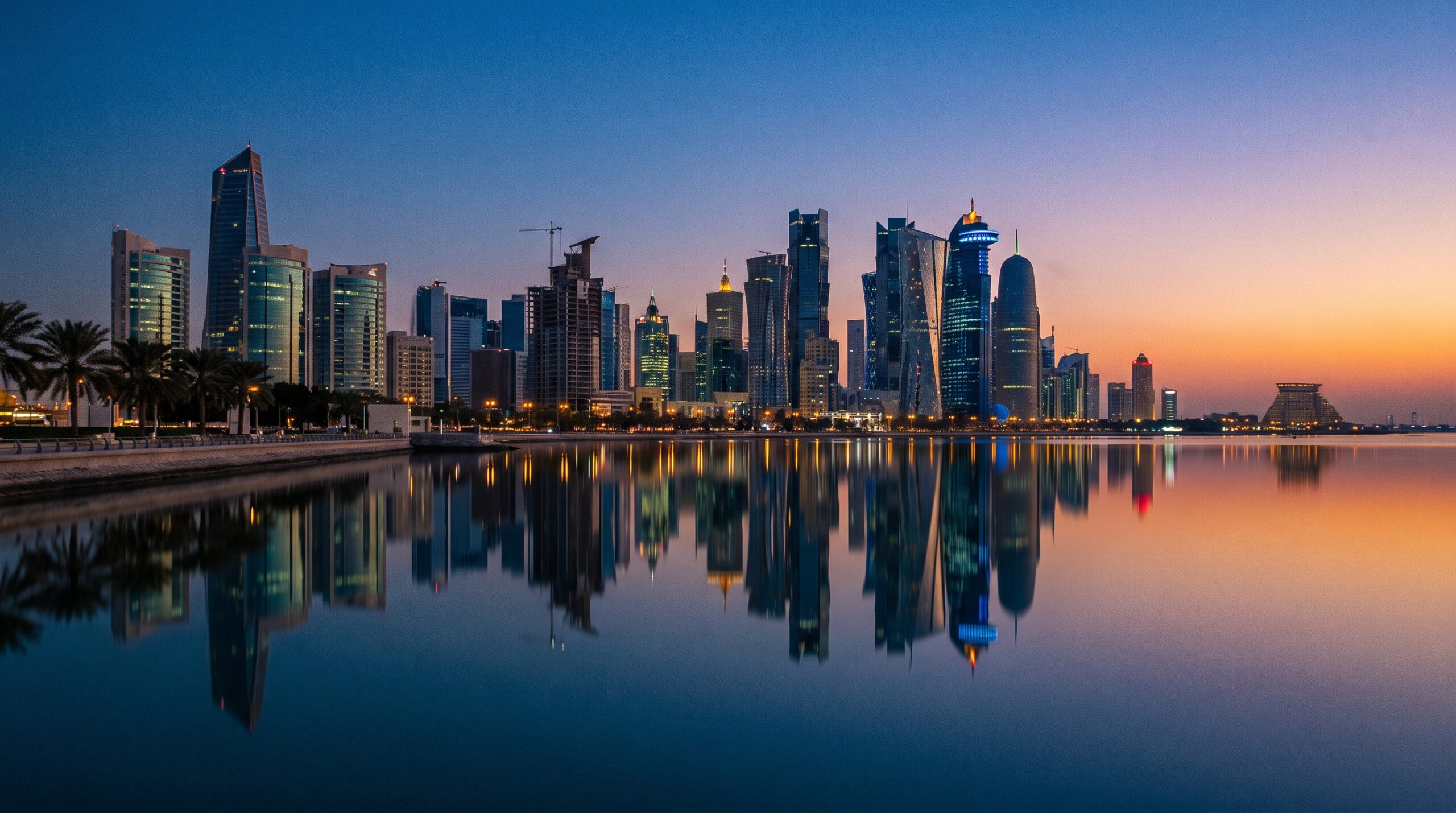
Dubai is the better first-time Gulf destination if you want spectacle, shopping, and non-stop entertainment infrastructure. Abu Dhabi is the better first-time Gulf destination if you want authentic culture, better value, calmer beaches, and a city that feels less like a theme park and more like a place. They are 90 minutes apart — do both if you have 8+ days — but they reward different travelers.
The UAE’s two signature cities sit barely 130 kilometers apart and deliver fundamentally different trips. Dubai is the global brand — Burj Khalifa, Palm Jumeirah, Dubai Mall, desert safaris, and a skyline that looks like a CGI render. Abu Dhabi is the quieter capital — Sheikh Zayed Grand Mosque, Louvre Abu Dhabi, Saadiyat Island beaches, and a pace that does not feel engineered for tourists. Understanding which one fits your trip is the difference between a destination that energizes and one that exhausts.
What Separates Dubai and Abu Dhabi in Practice
Dubai is designed for tourism. Every experience — from indoor ski slopes to dinner in the sky to dune-bashing desert safaris — is optimized for the visitor economy. The city runs on spectacle. It is loud, fast, and relentless in the way Las Vegas is relentless. This is the strength and the weakness: Dubai rarely disappoints in delivering memorable experiences, but it can feel like a collection of attractions connected by highways rather than a city with neighborhoods and life between the landmarks.
Abu Dhabi is designed for living. As the UAE’s seat of government and the country’s most conservative city, Abu Dhabi moves at a different pace. The attractions — the Sheikh Zayed Grand Mosque, which can hold 40,000 worshippers and is genuinely one of the most beautiful modern religious buildings in the world; the Louvre Abu Dhabi, Jean Nouvel’s masterpiece of a museum with a latticed dome that filters sunlight into a “rain of light”; Qasr Al Watan, the presidential palace opened to the public — are cultural, not commercial. The city is greener than Dubai, the beaches (Saadiyat Island) are less crowded, and the dining scene is more neighborhood-oriented and less celebrity-chef-branded.
The First-Timer Decision Framework
Go to Dubai if:
- You want the iconic experiences — Burj Khalifa observation deck, Dubai Mall (1,200+ stores), Palm Jumeirah, desert safari, a dhow dinner cruise — and are willing to pay for them
- Shopping is a priority: Dubai is one of the world’s great retail destinations, from the Gold Souk to the designer flagship stores in Dubai Mall
- You want hotel variety: Dubai has more luxury hotels across more categories — from the Burj Al Arab to Atlantis to the One&Only — than Abu Dhabi
- Nightlife matters: Dubai has rooftop bars, beach clubs, and licensed venues at a scale Abu Dhabi does not match
- You want maximum tourist infrastructure: English is near-universal in tourist zones, transport is excellent, and nothing is difficult to arrange
Go to Abu Dhabi if:
- Culture is the priority: the Sheikh Zayed Grand Mosque and Louvre Abu Dhabi are world-class and have no equivalents in Dubai
- You want a calmer, more authentic pace — a city that feels like a place, not a theme park
- Value matters: Abu Dhabi hotels, food, and transport run 20-30% below Dubai equivalents at the same quality tier
- Beaches matter: Saadiyat Island has some of the best public and resort beaches in the UAE, with fewer crowds than Dubai’s JBR and Palm beaches
- You prefer neighborhood dining to celebrity-chef restaurants: Abu Dhabi’s food scene — excellent Lebanese, Indian, and local Emirati restaurants — is less hyped and often better value
Cost: What Each City Actually Costs Per Day
Dubai mid-range: AED 800-1,500 per day ($218-408) for a 4-star hotel, decent restaurant meals, taxis, and attraction entries. Abu Dhabi mid-range: AED 600-1,200 ($163-327) for an equivalent experience. The gap is consistent: accommodation, dining, and transport all run 20-30% less in Abu Dhabi.
Dubai luxury: AED 2,500+ ($680+) per day. Abu Dhabi luxury: AED 1,800+ ($490+) per day. The luxury price gap narrows at the high end — an Emirates Palace suite in Abu Dhabi and a Burj Al Arab suite in Dubai are both expensive — but at every tier below the absolute ceiling, Abu Dhabi is cheaper.
Weather and Seasonality
Both cities share essentially identical weather — hot desert climate, roughly 130 km apart. November through March is the prime window: 18-28°C, outdoor dining, beach weather. May through September is punishing: 40-48°C with humidity that makes outdoor activity unpleasant after 9 a.m. Summer hotel rates drop 50-70% in both cities, but the heat is not a discount worth taking for most travelers. Ramadan (dates shift annually by roughly 10 days earlier each year) means food and drink restrictions in public during daylight hours in both cities, but tourist hotels continue serving. Evening Ramadan energy — markets, communal iftars, nightlife until 2 a.m. — is a cultural experience worth planning around.
Checklist: Dubai vs. Abu Dhabi Decision
- Trip length: under 5 days — pick one. 8+ days — do both (5 days Dubai, 3 days Abu Dhabi, 90-minute drive between them).
- Priority: spectacle and shopping — Dubai. culture and pace — Abu Dhabi.
- Budget: Abu Dhabi wins at every tier below the ultra-luxury ceiling.
- First Gulf visit: Dubai is the easier introduction due to tourist infrastructure. Abu Dhabi is the more culturally rewarding.
- Summer (June-September): both are extremely hot. The indoor infrastructure in both cities (malls, museums, hotel pools) makes them functional but not ideal.
- Dress code: both cities require modest dress in public areas (shoulders and knees covered). Abu Dhabi is more conservative — the dress expectations are stricter in non-resort public spaces. At resort pools and beaches, Western swimwear is normal in both cities.
What This Can’t Tell You
This framework covers first-time base-city selection, not the day-trip radius. From Dubai: Abu Dhabi is a day trip (90 minutes each way, which is tight for the Grand Mosque and Louvre). From Abu Dhabi: the Empty Quarter desert and Al Ain oasis city are day trips with no Dubai equivalent. And it does not cover the other emirates (Sharjah, Ras Al Khaimah, Fujairah), which offer their own experiences — Sharjah for museums and traditional architecture, Ras Al Khaimah for adventure tourism, Fujairah for Indian Ocean diving — and require their own trip planning.
Verdict
Dubai and Abu Dhabi are not substitutes. Dubai is the city you visit for the spectacle — the tallest building, the biggest mall, the indoor ski slope, the energy of a place that runs on ambition. Abu Dhabi is the city you visit for the culture — the Grand Mosque, the Louvre, the presidential palace, the pace of a capital that does not need to prove anything. If you have a week, pick Dubai for the iconic first-timer experience. If you have 10+ days, do both: the contrast is the point, and the 90-minute drive between them makes combining them logistically simple.
FAQ
Q: Is the UAE safe for tourists?
A: Yes. Both Dubai and Abu Dhabi have very low crime rates. Violent crime against tourists is virtually nonexistent. The main risks are road traffic accidents and heat exposure in summer.
Q: Can women travel solo in Dubai and Abu Dhabi?
A: Yes. Both cities are safe for solo female travelers by global standards. Modest dress in public areas is recommended more strongly in Abu Dhabi. Dubai has women-only taxis, Metro carriages, and beach days. Street harassment is rare compared to many global cities.
Q: Is alcohol available?
A: Yes, in licensed hotels, restaurants, and bars. Public intoxication is illegal and enforced. Drinking in public (beaches, parks, streets) is prohibited. Abu Dhabi abolished its alcohol license requirement for residents in 2021, but the rules for tourists in both cities are straightforward: drink in licensed venues, do not appear intoxicated in public.
Q: Do I need a visa for the UAE?
A: Citizens of the US, UK, EU, Canada, Australia, and many other countries receive a free 30-day visa on arrival. Check your specific nationality against the UAE’s current visa requirements before booking.